
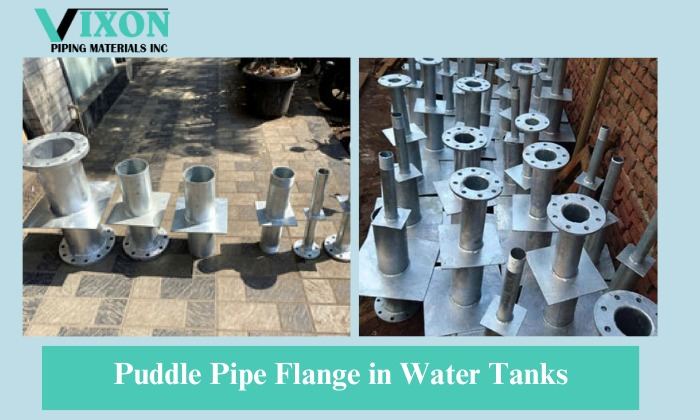
When constructing or maintaining a water tank, preventing water leakage where pipes pass through the tank walls is crucial. This is where a puddle flange comes into play. A puddle flange acts as a watertight seal, ensuring that water does not seep through the gaps between the pipe and the surrounding structure. Let’s explore the benefits of using a puddle pipe flange in water tanks in more detail.
1. Prevents Water Leakage
The primary purpose of a puddle flange is to stop water from leaking through the tank wall at the pipe entry point. Even the smallest gaps can allow water to seep out, leading to significant losses over time. A puddle pipe flange creates a secure barrier around the pipe, ensuring the tank remains leak-free. This is vital for maintaining water levels, quality, and the overall efficiency of the water supply system.
2. Improves Durability
Water leakage can weaken the structural integrity of a tank over time. A puddle flange helps protect the concrete or other materials from damage caused by prolonged exposure to water. Preventing leaks contributes to the overall durability of the water tank, helping it withstand environmental stresses, including changes in temperature and pressure, and extending its lifespan.
3. Easy to Install
Installing a puddle pipe flange is relatively straightforward during the construction of a water tank. It is positioned around the pipe at the point of entry and then embedded within the tank wall material, such as concrete. This simplicity makes it an effective solution for ensuring watertightness in both new constructions and retrofits. In existing tanks, proper installation may require cutting or reinforcing the surrounding material, but the process is still manageable.
4. Cost-Effective Solution
Installing a puddle flange is a cost-effective measure to prevent future issues related to water leakage. Providing a reliable, watertight barrier eliminates the need for costly repairs or modifications later. This makes it a smart investment for the long-term maintenance of your water tank, saving both time and money. The initial cost of a puddle flange is often outweighed by the potential savings on repairs and increased longevity of the tank.
5. Wide Range of Applications
While commonly used in water tanks, puddle pipe flanges are also beneficial in various applications, such as reservoirs, dams, underground piping systems, and even wastewater treatment facilities. Their versatility makes them an essential component in any project requiring secure, leak-proof connections, ensuring safety and efficiency in water management systems.
6. Enhanced Safety and Environmental Protection
By preventing leaks, a puddle flange helps maintain water quality and protect the surrounding environment. Leakage from a water tank can lead to soil contamination, affect local ecosystems, and pose health risks. A secure puddle pipe flange minimizes these risks, contributing to safer water management practices and protecting public health.
7. Design Flexibility
Puddle flanges come in various sizes and designs, allowing for flexibility in installation. This adaptability ensures compatibility with different pipe sizes and tank structures, making them suitable for various applications. Additionally, some puddle flanges can be customized to meet specific project requirements, enhancing their usability in diverse scenarios.
8. Maintenance Considerations
While puddle flanges are designed for durability, regular inspections are essential to ensure they continue to function effectively. Checking for any signs of wear, corrosion, or damage around the flange will help identify potential issues before they become significant problems. Keeping the area clean and free from debris can also prolong the life of the puddle flange.
9. Types of Puddle Flanges
There are several types of puddle flanges, including:
- Standard Puddle Flanges: These are commonly used for general applications and are typically made from stainless steel or PVC.
- Flexible Puddle Flanges: Designed to accommodate slight pipe movements, these flanges are often used in systems that experience thermal expansion or shifting.
- Custom Puddle Flanges: Tailored to specific project requirements, these flanges can be designed in various shapes and sizes to fit unique installation conditions.
10. Installation Techniques
To ensure the effectiveness of a puddle flange, proper installation techniques are crucial:
- Surface Preparation: The area around the pipe entry should be cleaned and smoothed to ensure a good seal.
- Correct Alignment: The puddle flange must be aligned correctly with the pipe and tank wall to create a watertight seal.
- Sealing Methods: Depending on the material, additional sealing methods such as caulking or adhesive may be used to reinforce the bond between the puddle flange and the tank wall.
Conclusion
In summary, using a puddle flange in a water tank provides multiple benefits, including preventing leaks, improving durability, resisting corrosion, and offering a cost-effective solution. They enhance safety, provide design flexibility, and are applicable in various environments. By understanding the importance of proper installation and maintenance, you can ensure that your water tank remains watertight and efficient for many years, safeguarding water quality and protecting the surrounding environment.