
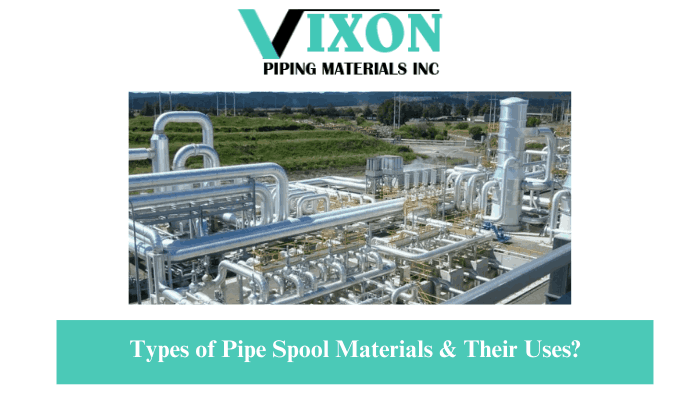
Pipe spools are vital for constructing and operating piping systems across industries like oil and gas, water treatment, power plants, and more. A pipe spool is a pre-fabricated section of piping designed to simplify installation at the job site and ensure smooth operation. Selecting the right material for your pipe spools is crucial for achieving durability, efficiency, and safety.
Let’s take a closer look at the types of pipe materials used in pipe spools and their specific uses in various industries.
Carbon Steel
Carbon steel is one of the most widely used pipe materials due to its incredible strength and ability to handle high pressures and temperatures. This makes it perfect for industrial applications like oil refineries, gas pipelines, and chemical plants. Carbon steel pipes are also highly durable and cost-effective, making them a popular choice for projects with demanding conditions.
Best for:
- Oil and gas pipelines
- High-pressure systems
- Industrial boilers
- Chemical processing plants
Installation Tips: To avoid scratches or dents, carbon steel pipes should be handled carefully during installation. Protective coatings should also be applied to prevent corrosion over time.
Maintenance Tips: Periodic inspections are recommended, especially in corrosive environments. A good maintenance schedule will extend the life of carbon steel pipe spools.
Stainless Steel
Stainless steel pipes are known for their corrosion resistance, which is especially beneficial in industries that involve harsh chemicals, moisture, or extreme temperatures. Their durability and cleanliness make them a great option in food processing, pharmaceuticals, and water treatment plants, where hygiene is critical.
Best for:
- Food processing plants
- Water treatment systems
- Pharmaceutical production
- Chemical industries
Installation Tips: Stainless steel is easy to install but requires proper handling to avoid surface damage. Using the right fittings is essential to maintaining a leak-proof system.
Maintenance Tips: Stainless steel generally requires minimal maintenance, but routine cleaning and inspections can help keep the system in optimal condition and prevent contamination in sensitive applications.
PVC (Polyvinyl Chloride)
PVC pipes are lightweight, cost-effective, and easy to work with, making them ideal for residential and light commercial applications. They are resistant to corrosion and chemical exposure, making them suitable for plumbing, irrigation, and drainage systems. However, PVC is limited to low-pressure and low-temperature applications.
Best for:
- Residential Plumbing
- Irrigation systems
- Wastewater and drainage systems
Installation Tips: PVC pipes are easy to install using adhesive bonding techniques. Care should be taken to avoid exposure to high heat, as PVC is sensitive to temperature changes.
Maintenance Tips: PVC pipes require very little maintenance, but periodic inspections to check for cracks or leaks can ensure a longer lifespan.
CPVC (Chlorinated Polyvinyl Chloride)
CPVC is a heat-resistant variation of PVC, making it suitable for hot water and industrial applications. It retains the lightweight and chemical-resistant properties of PVC but can handle higher temperatures, making it useful in both residential and industrial hot water systems.
Best for:
- Hot water systems
- Fire sprinkler systems
- Industrial process lines
Installation Tips: Like PVC, CPVC pipes are bonded using solvent welding. It’s important to ensure that the adhesive used is rated for CPVC and can withstand higher temperatures.
Maintenance Tips: CPVC requires little maintenance but should be inspected for leaks, especially in areas exposed to high heat.
Copper
Copper pipes are excellent conductors of heat, making them a great choice for heating, ventilation, and air conditioning (HVAC) systems. Copper is naturally resistant to corrosion and has antibacterial properties, making it ideal for potable water systems. Copper pipe spools are durable and last for decades with minimal maintenance.
Best for:
- Drinking water supply lines
- HVAC systems
- Hot water systems
Installation Tips: Copper piping is typically soldered during installation, ensuring strong, leak-free connections. Precision is key to avoiding gaps and weak spots in the system.
Maintenance Tips: Copper pipes generally require minimal maintenance. However, regular inspections for leaks and proper insulation in colder climates can prevent damage.
Galvanized Steel
Galvanized steel pipes are coated with a layer of zinc to protect against rust and corrosion, making them suitable for outdoor or underground applications. They are often used in water supply lines, irrigation systems, and as structural support in construction projects. Galvanized steel is strong and durable, providing long-lasting performance.
Best for:
- Outdoor plumbing
- Water distribution systems
- Structural piping in buildings
Installation Tips: Galvanized steel pipes are heavier than some other materials, requiring proper support during installation. Care should be taken to avoid damaging the zinc coating, which protects the steel from rust.
Maintenance Tips: Galvanized pipes should be checked regularly for signs of corrosion or degradation of the zinc coating. Re-coating may be necessary over time to ensure long-term protection.
Ductile Iron
Ductile iron is a highly durable material with a combination of strength and flexibility. Unlike cast iron, ductile iron can flex under pressure, which reduces the risk of cracks and breaks. It’s commonly used in municipal water systems, wastewater treatment plants, and industrial piping systems.
Best for:
- Municipal water supply
- Sewage lines
- Industrial liquid transport
Installation Tips: Ductile iron pipes are easy to install using mechanical joints, but it’s important to ensure proper sealing to avoid leaks. Protective coatings are often used to enhance durability.
Maintenance Tips: Regular inspections and protective coatings can prolong the life of ductile iron pipes, especially in highly corrosive environments.
High-Density Polyethylene (HDPE)
HDPE is a flexible, durable plastic that offers resistance to chemicals, UV radiation, and corrosion. It’s commonly used in underground applications, such as gas distribution and waste management systems, because of its ability to withstand ground movements without cracking.
Best for:
- Underground piping
- Gas distribution
- Waste management systems
Installation Tips: HDPE pipes are joined using heat fusion methods, which create leak-free joints. These pipes are lightweight and flexible, making them easy to install in various environments.
Maintenance Tips: HDPE requires minimal maintenance, but periodic inspections of underground pipes for signs of damage or shifts in soil can help ensure long-lasting performance.
How to Choose the Right Pipe Material for Your Project
When deciding on the best pipe material, several factors should be considered:
- Pressure Requirements: Materials like carbon steel or ductile iron are ideal if your system needs to handle high pressure.
- Corrosion Resistance: In environments exposed to moisture or chemicals, stainless steel or PVC/CPVC offers better corrosion resistance.
- Temperature Tolerance: For high-temperature systems, stainless steel or CPVC is a better choice, while PVC is suited for low-temperature applications.
- Budget: If cost is a key factor, materials like PVC or HDPE provide affordability without sacrificing performance in the right conditions.
- Installation Environment: HDPE or ductile iron is best for underground systems due to their flexibility and resistance to ground movements.
Conclusion
The types of pipe materials you choose for your pipe spools will significantly affect the performance, longevity, and efficiency of your piping systems. From the strength of carbon steel to the corrosion resistance of stainless steel, each material is designed for specific environments and applications. By carefully considering the properties of each material and your project’s unique needs, you can ensure a durable and efficient piping system.