
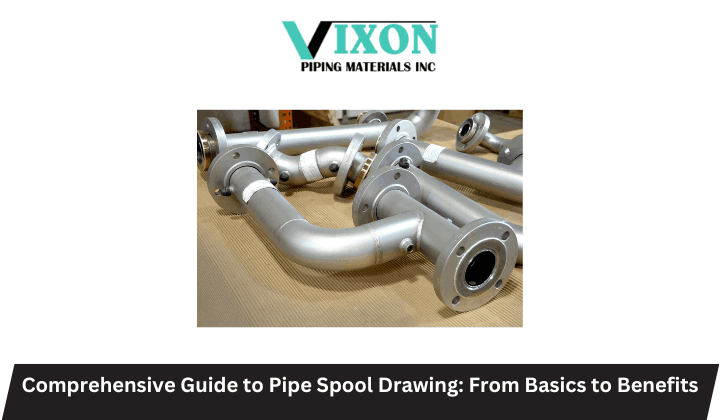
Pipe Spool Drawing is a critical part of the piping fabrication process, involving the creation of pre-fabricated sections of pipes, known as pipe spools. These spools are assembled from individual pipes and fittings in a controlled environment and then transported to the installation site. The precision and accuracy required in pipe spool drawing are essential for successful piping projects, as they directly impact the cost, efficiency, and safety of a project. This guide will cover the basics of pipe spool drawing, explain the process, highlight the benefits, and emphasize the importance of accuracy.
What is Pipe Spool Drawing?
In simple terms, pipe spool drawing is the process of creating detailed blueprints for the pre-fabrication of piping sections, known as pipe spools. Each pipe spool includes a specific set of pipes, fittings, flanges, and other components that are cut, bent, and welded together in advance. By assembling these parts ahead of time, the project can save time, reduce labour costs, and improve the overall quality of the piping system.

Pipe spool drawings act as a roadmap for fabrication teams. They include all necessary dimensions, materials, and assembly instructions, enabling the fabrication of each spool off-site. Once the pipe spools are created, they are then transported to the actual construction site and installed as part of the complete piping system.
The Process of Pipe Spool Drawing
Creating pipe spool drawings involves several essential steps:
- Component Identification
Each component required for a pipe spool is identified. This includes pipes, valves, fittings, and flanges. Each part is specified with dimensions, materials, and orientation. - Dimensions and Tolerances
The dimensions of each component are detailed, including length, diameter, and tolerances for any variations. The tolerances are critical as they ensure that parts fit together seamlessly during assembly. - Welding Details
Welding instructions are provided for each connection. This section of the drawing details the type of weld, the positioning, and any inspection requirements needed to meet quality standards. - Inspection and Testing Requirements
Pipe spool drawings also outline any necessary inspection and testing steps. This helps ensure that each spool meets safety and quality standards before it arrives on-site for installation. - Creating the Drawing
Using either manual drafting or computer-aided design (CAD) software, the pipe spool drawing is created to include all of the above information in an organized format. The drawing may also feature labels, notes, and symbols to make the assembly and installation process clearer.
Benefits of Pipe Spool Drawing
Pipe spool drawing offers several significant benefits for piping projects:
- Time and Cost Efficiency
By pre-fabricating pipe spools in a controlled environment, projects can significantly reduce the amount of on-site work required. This minimizes installation time and lowers labour costs, especially on large projects. - Improved Quality Control
Fabricating pipe spools off-site allows for better quality control. It reduces the risk of errors that might occur during field installation, resulting in a more accurate, high-quality piping system. - Enhanced Coordination and Communication
Pipe spool drawings provide a single point of reference for everyone involved in the project. This ensures that engineers, fabricators, and installers are all on the same page, reducing the chance of miscommunication or errors. - Easy Documentation for Future Maintenance
Pipe spool drawings also act as a permanent record of the piping system. They can be referred to during future maintenance, repairs, or modifications, making it easier to understand the system’s original design.
The Importance of Accuracy in Pipe Spool Drawing
In piping fabrication, accuracy is everything. Any errors in pipe spool drawings can lead to major issues on the construction site. For example, if a measurement is off by even a small amount, the pipe spools may not fit correctly during installation. This can cause costly delays and, in some cases, require a complete redo of the fabrication process. Additionally, inaccurate drawings can compromise safety and result in structural weaknesses that may lead to leaks or system failures.
To ensure accuracy, professionals often rely on advanced software and precise measuring tools during the drawing process. Regular inspections and quality checks throughout fabrication also help maintain high standards and prevent mistakes from slipping through.
Key Takeaways
- Pipe spool drawing is the process of creating detailed instructions for fabricating pre-assembled pipe sections.
- The process includes identifying components, specifying dimensions, detailing welding requirements, and outlining inspection protocols.
- Key benefits include time and cost savings, improved quality control, enhanced communication, and clear documentation.
- Accuracy in pipe spool drawing is crucial to avoid costly errors, ensure safety, and deliver a reliable piping system.
conclusion
Pipe spool drawing is an invaluable tool in the world of piping fabrication. It helps streamline the entire process, from design and assembly to installation, while ensuring that the final product is both safe and efficient. By prioritizing accuracy and detail in pipe spool drawings, teams can save time and resources and achieve higher-quality results, ultimately contributing to the success of any piping project.